

Kioku
My personal data hub. One PostgreSQL database holds my writing, work history, photos, email, finances and health records. This website can only read the public part; my own AI assistants reach the rest through a separate API, with its own credentials and its own database permissions.


Everything about me in one place, with public and private kept strictly apart.
Every app I use keeps its own copy of my data, and over time those copies stop agreeing. Kioku is the copy I trust: background jobs pull data in on a schedule, I add notes by hand, and everything else reads from it. When a visitor asks a question on /ask, the query runs as a database user that simply cannot see private rows. PostgreSQL enforces that itself — it does not depend on asking the AI nicely in a prompt.
- Stack
- Python
- FastAPI
- PostgreSQL
- pgvector
- TypeScript
- MCP
- Category
- Platform
Why It Exists
One copy that countsAI models get better every few months, yet every new conversation still starts with me explaining who I am. What an assistant would need to know — what I have built, what I have written, how I work — is scattered across a dozen apps, and each one keeps its own slightly different version of me. Kioku is the place where the version I trust lives. Everything else, this website included, reads from it instead of keeping a copy.
How It Fits Together
In from many places, out through two doorsBackground jobs pull data in from the services I use, and I add notes from my phone or the console. All of it lands in one PostgreSQL database, which is the only place anything is stored — the search index, the website’s pages and every AI answer are derived from it. On the way out there are two doors: a public one that this website uses, and a private one for my own AI tools.
Where the Boundary Lives
Below the conversationTwo AI Interfaces
Shared data, separate permissionsThe public Ask on this site answers questions about my published work, cites where each claim came from, and says so when it does not have enough to go on. My own AI tools connect through MCP and can search everything, including the private parts. Both use the same data and the same code underneath; what differs is the door they come in through and what that door allows.
Design Decisions
Why it is shaped this wayIts own service, not part of the website
One search, not two
Stored settings can only take access away
Models behind a gateway
Where It Stands
A mirror, not yet an originBuilding it showed me where the real problem is. Storing data was never the hard part; where it comes from is. Most of what Kioku holds still starts life in someone else’s app, so when that app changes its export, my side breaks, and anything it never recorded never reaches me. Putting everything in one place also raises the stakes if something goes wrong, which is why most of the effort went into tight permissions, audit trails and backups rather than into collecting more.
Want the full walkthrough?
Happy to talk through the architecture, the decisions, and the trade-offs behind this build.
More work
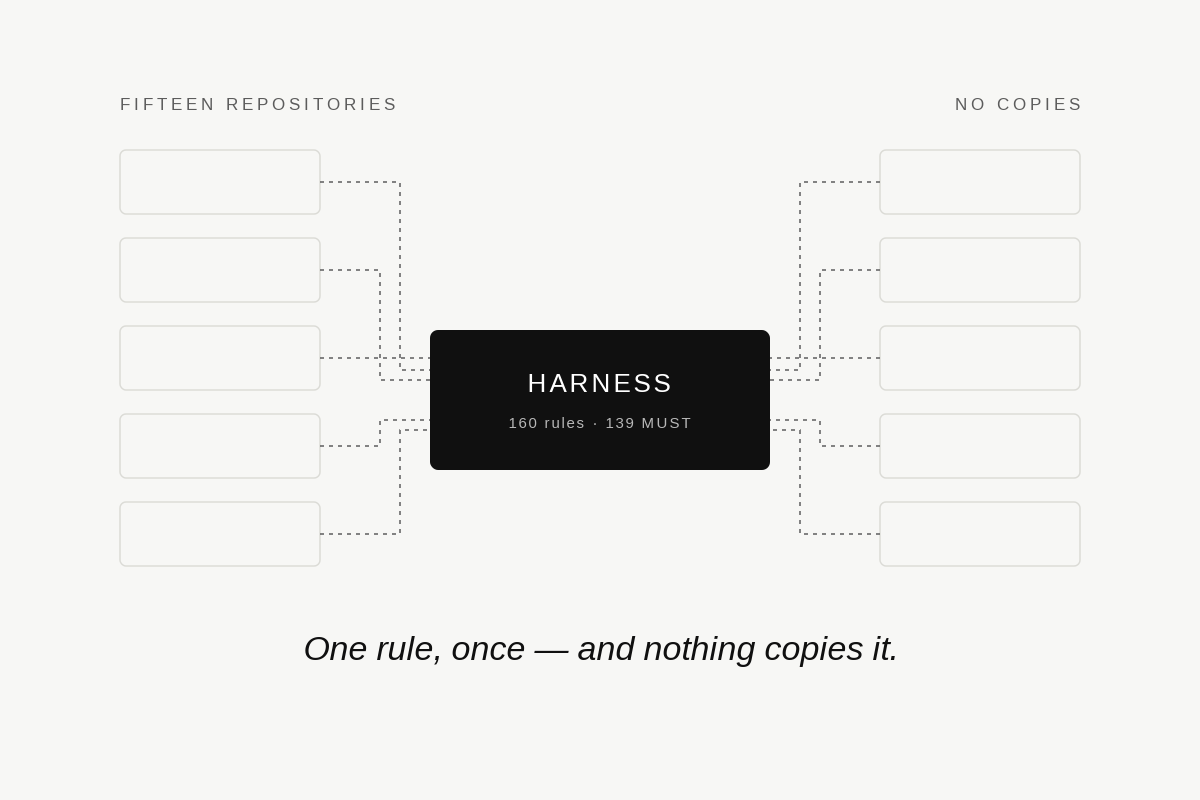
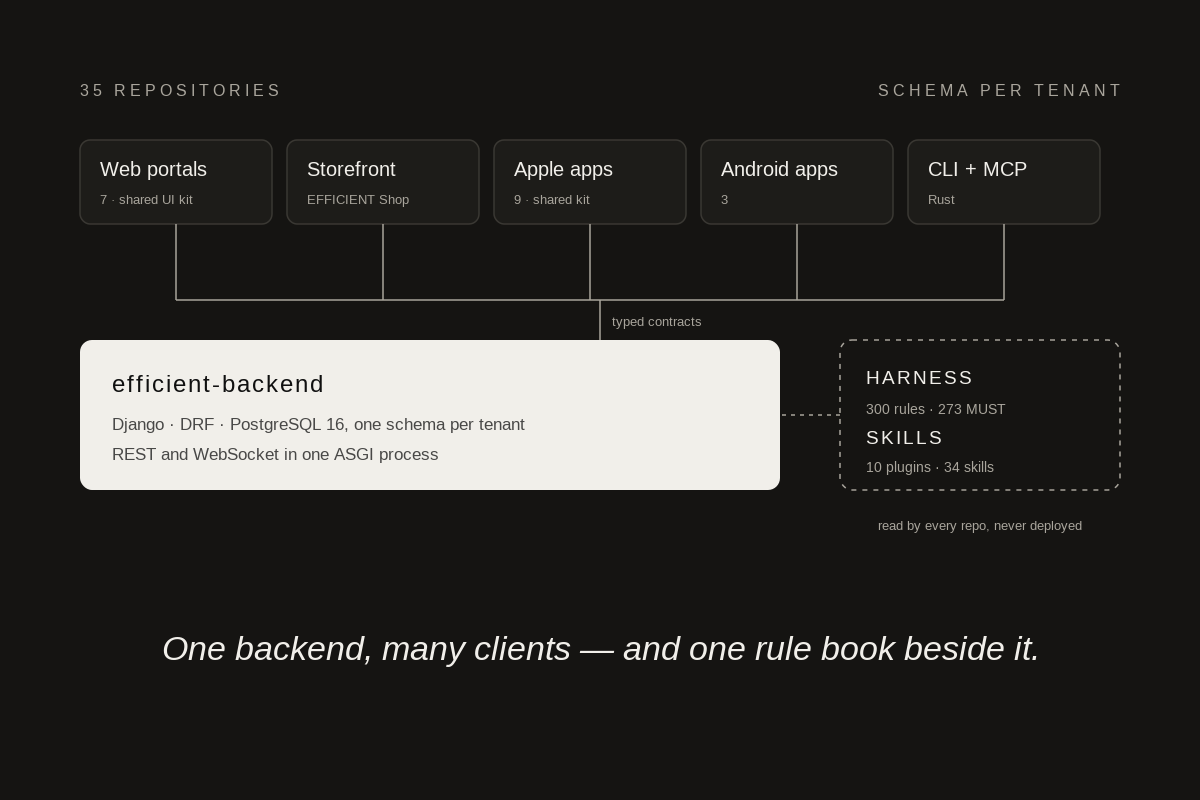
EFFICIENT System


A multi-tenant ERP and online-store platform, first built for the wheel and tyre trade and now open to any industry. One backend serves web portals, a storefront, iOS and Android apps and a command-line tool, and each customer’s data is kept fully separate.
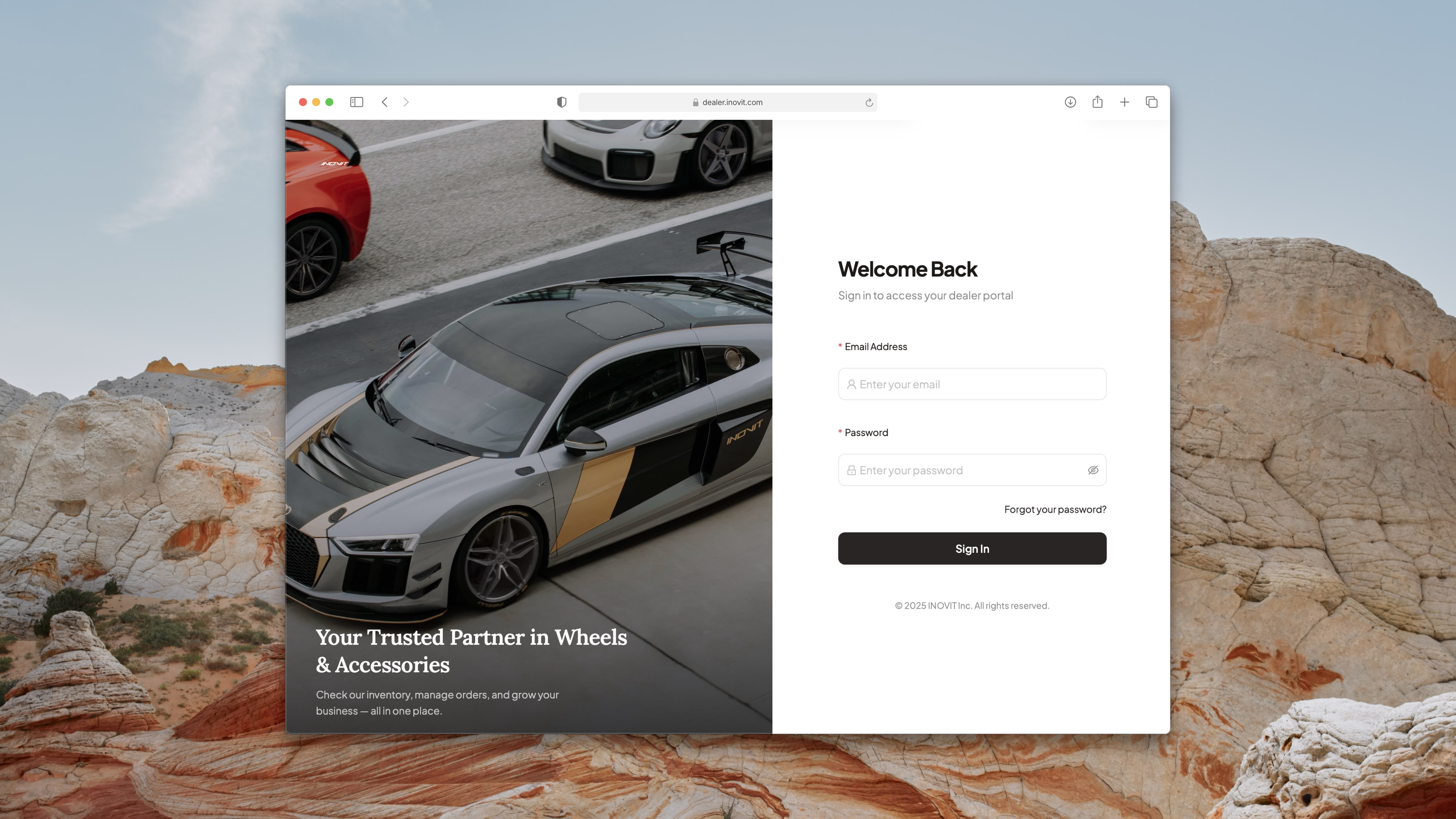
INOVIT Dealer Portal


A B2B ordering portal that replaces the front end of a legacy .NET ERP. The new React and Django system shares the legacy production SQL Server, so the two ran side by side while features moved across; one codebase serves every region, and the frontend’s types are generated from the API.
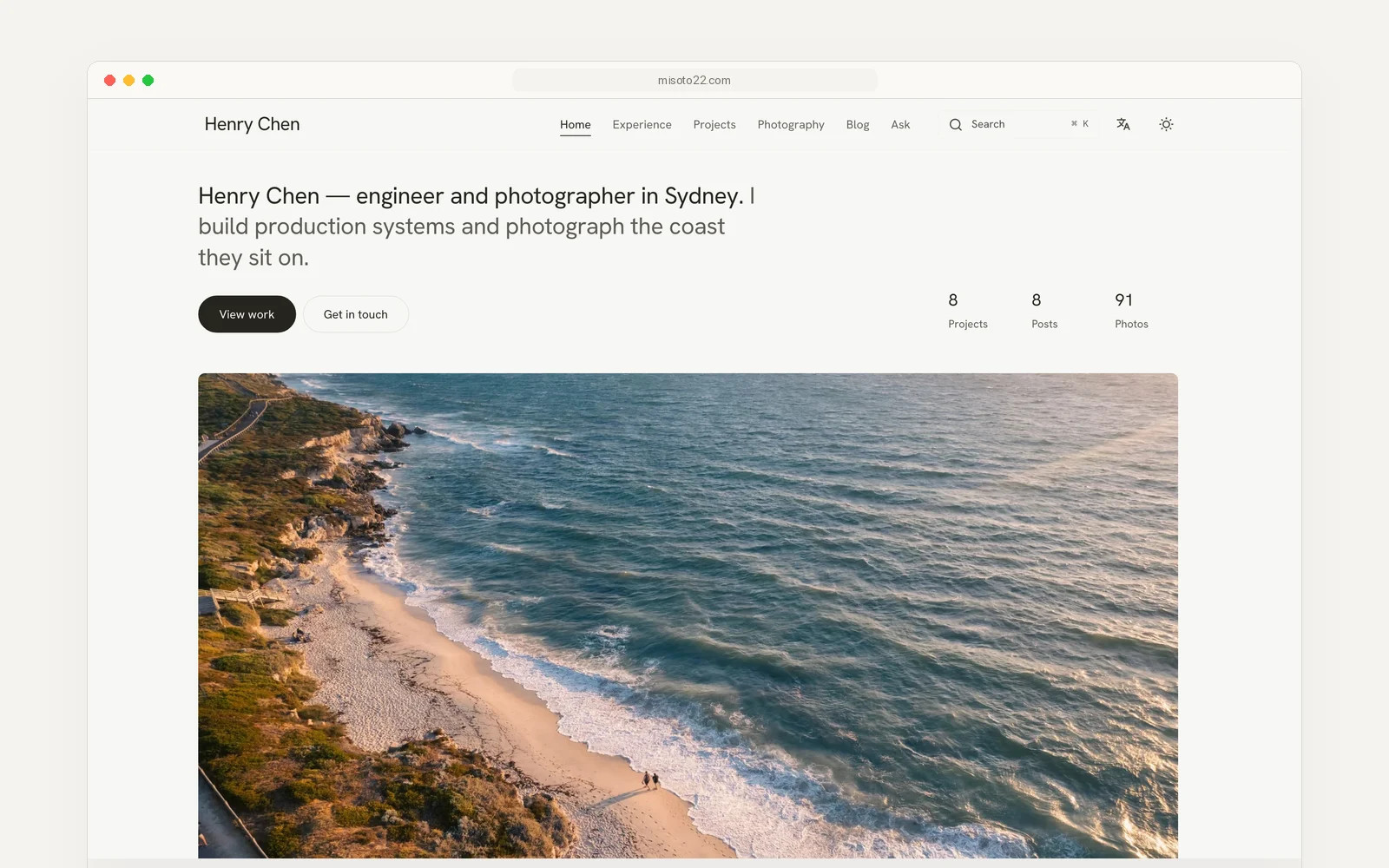
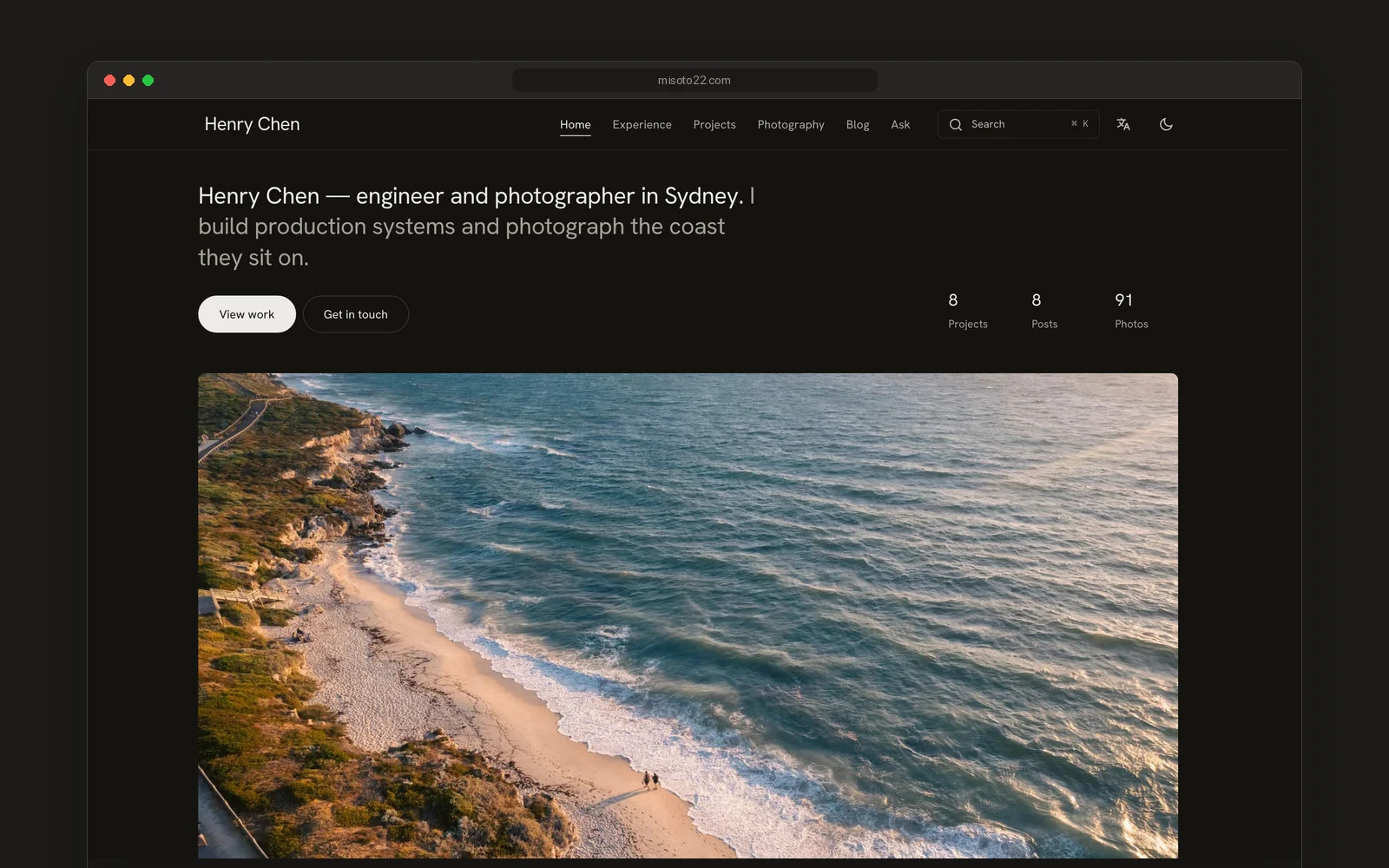
Personal Website


A bilingual portfolio with an AI assistant grounded in the site's own content, privacy-first analytics, blog, photography gallery, and WCAG AAA colour contrast — self-hosted on my own Docker stack, all solo-built.